Design & Construction
Designing for ROI: Which Short-Term Rental Upgrades Are Actually Worth the Investment?
Related to


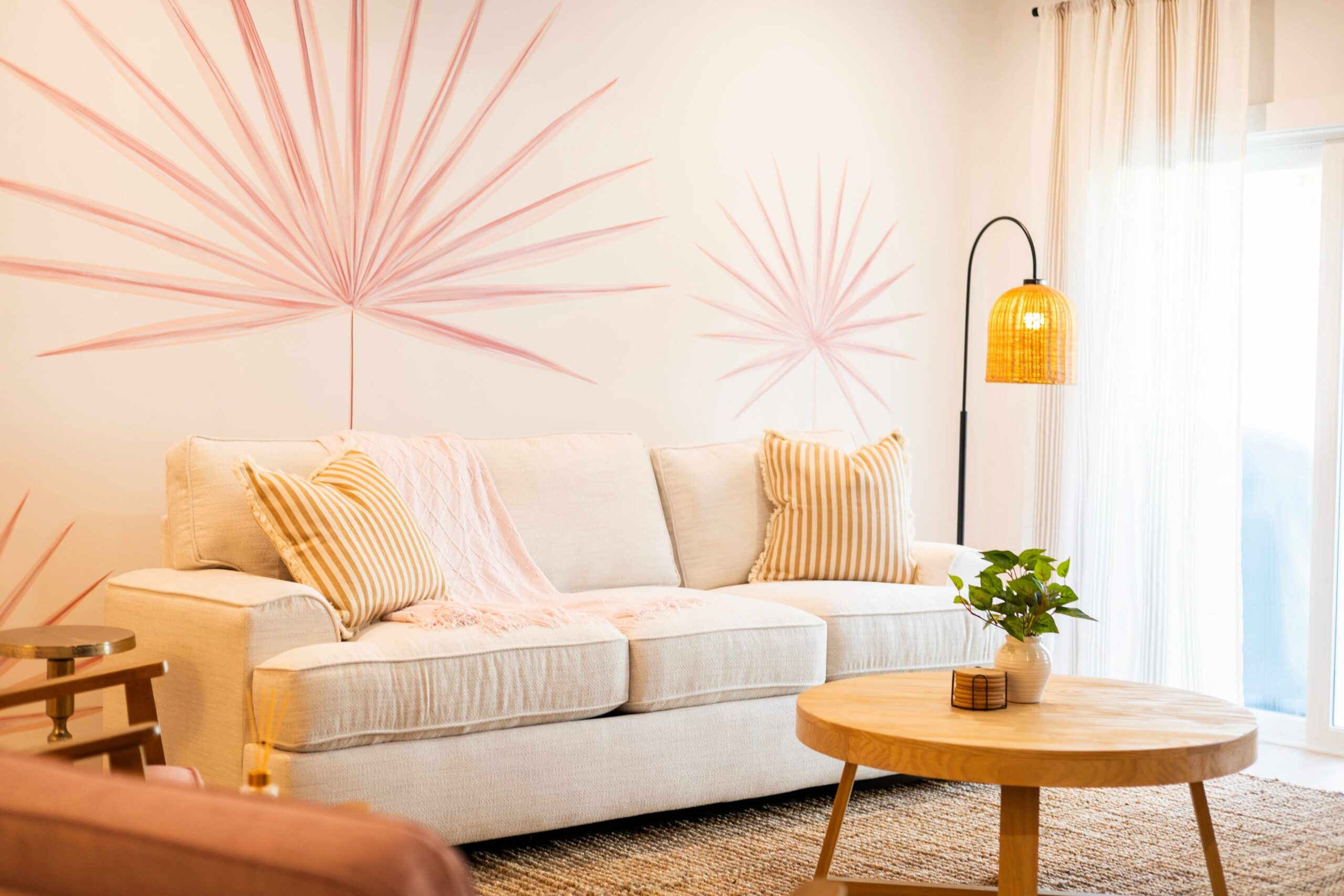
A beautifully designed vacation rental might catch a guest’s attention, but does it actually generate more revenue?
For short-term rental investors, design decisions should go beyond aesthetics. Every renovation, furniture purchase, and property improvement represents an investment, and understanding which upgrades have the greatest potential to influence bookings can make a meaningful difference in overall profitability.
From outdoor living spaces to functional layouts and memorable interiors, the right improvements can help a property stand out in a competitive market.
But not every upgrade delivers the same return.
Here’s how investors can approach short-term rental design with both guest experience and financial performance in mind.
Before investing in renovations or furnishings, it’s important to understand the type of guest your property is most likely to attract.
A beachfront vacation home catering to large families will have different priorities than a downtown apartment designed for couples or weekend travelers.
Consider factors such as:
For example, a family-friendly property may benefit more from additional sleeping arrangements, durable furnishings, and outdoor entertainment than from expensive decorative finishes.
Meanwhile, a smaller property targeting couples may see greater value from a thoughtfully designed bedroom, comfortable seating, and an inviting outdoor space.
Investor Takeaway: The most effective design decisions solve a guest need or create a compelling reason to book—not simply make a property look more expensive.
Some of the most valuable improvements aren’t necessarily the most visually dramatic.
Guests expect a vacation rental to be comfortable, functional, and easy to use. When those expectations aren’t met, even the most attractive property can struggle with reviews and repeat bookings.
Quality mattresses, blackout window treatments, accessible charging outlets, and functional bedside lighting can make a noticeable difference in guest satisfaction.
A good night’s sleep may not be the most exciting listing feature, but it contributes to the overall experience.
A fully functional kitchen is especially valuable for families and guests booking longer stays.
Durable cookware, adequate dining space, reliable appliances, and sufficient storage can make the property more appealing without requiring a complete kitchen renovation.
Fast Wi-Fi, smart locks, and easy-to-use entertainment systems help create a smoother guest experience.
These upgrades can also reduce operational headaches by minimizing access issues and guest questions.
The goal is to invest in features that improve both guest satisfaction and property functionality.
In many vacation rental markets, outdoor amenities are an important part of the booking decision.
Guests aren’t necessarily looking for the largest property. They’re looking for a place where they can enjoy their time together.
Depending on the market, high-impact outdoor improvements may include:
However, investors should evaluate the ongoing costs associated with these features.
A pool, for example, may help a property compete in certain markets, but it also introduces maintenance expenses, insurance considerations, and potential liability.
A well-designed patio may offer a more practical investment for a smaller property or a market where pools aren’t a major booking driver.
The best outdoor upgrade is one that aligns with guest demand while remaining financially sustainable.
For most potential guests, their first impression of a property happens online.
Before they read the description or compare amenities, they’re looking at photos.
This makes visual presentation an important part of short-term rental design.
Properties with cohesive interiors, attractive lighting, and distinctive features may be better positioned to capture attention in crowded search results.
Consider incorporating:
A Consistent Color Palette: Coordinated furnishings and finishes create a polished appearance and help rooms photograph well.
Statement Features: An accent wall, distinctive headboard, or unique lighting fixture can add personality without requiring a major renovation.
Intentional Furniture Placement: Open, functional layouts can make spaces feel more inviting and help guests understand how they’ll use the property.
Good Lighting: Natural light, layered lighting, and properly positioned fixtures can improve both the in-person experience and listing photography.
Investors should avoid designing solely for social media appeal. A visually impressive space still needs to be comfortable, durable, and practical for guests.
A design choice that looks great on installation day may become expensive if it requires frequent replacement.
Short-term rentals experience regular guest turnover, cleaning, and wear.
That’s why material selection matters.
When choosing furniture and finishes, consider:
In coastal markets, humidity, salt exposure, and sand can also influence material performance.
Investing in more durable materials upfront may reduce replacement costs and maintenance interruptions over time.
A lower purchase price doesn’t always translate to a lower long-term cost.
Before approving a major improvement, investors should estimate how the project could affect revenue and operating expenses.
Consider a hypothetical property generating $65,000 in annual gross booking revenue.
The owner is considering a $12,000 outdoor living space upgrade.
If that improvement contributes to an additional $5,000 in annual booking revenue, the initial numbers may look promising.
However, revenue isn’t the same as profit.
Investors should account for any additional maintenance, utilities, management fees, and other expenses associated with the improvement.
| Metric | Amount |
|---|---|
| Initial investment | $12,000 |
| Hypothetical additional annual revenue | $5,000 |
| Additional annual operating costs | $1,000 |
| Additional annual operating income | $4,000 |
| Simple payback period | 3 years |
Illustrative example only. Assumes no additional percentage-based management or booking fees, financing costs, or taxes. Actual results may vary significantly.
In this example, the investment would take approximately three years to recover through additional operating income.
That doesn’t necessarily make it a good or bad investment.
The owner should also consider whether the improvement increases property appeal, supports long-term competitiveness, or contributes to resale value.
Before committing to a renovation, compare several scenarios, including the possibility that the upgrade produces little or no additional revenue.
Not every underperforming property needs a major construction project.
Sometimes, smaller improvements can address the issues affecting guest experience or listing appeal.
A design refresh might include updated bedding, new lighting, furniture rearrangement, fresh paint, or replacing worn furnishings.
Larger renovations may be more appropriate when a property has outdated kitchens, inefficient layouts, insufficient bathrooms, or structural and functional limitations.
The key is identifying the actual problem before deciding how much to spend.
If a property is receiving strong reviews but struggling with visibility, marketing and pricing may deserve attention before a renovation.
If reviews consistently mention uncomfortable furniture or outdated amenities, targeted improvements may be more valuable.
Investor Takeaway: Don’t renovate simply because a property is underperforming. Determine whether design is actually contributing to the problem.
Successful short-term rental design isn’t a one-time project.
As guest expectations evolve and properties experience normal wear, investors should regularly evaluate the condition and competitiveness of their rentals.
A long-term improvement strategy might include annual furniture assessments, periodic paint and decor updates, planned appliance replacements, and larger capital projects when financially justified.
Setting aside funds for future improvements can help investors avoid unexpected expenses and maintain property quality without disrupting cash flow.
For investors managing multiple properties, a consistent approach to design, furnishings, and materials can also simplify maintenance and replacement decisions.
Great short-term rental design should do more than create an attractive space.
It should support the guest experience, differentiate the property from competitors, withstand frequent use, and contribute to the investment’s long-term financial performance.
The most successful improvements aren’t always the most expensive. They’re the ones that address guest needs, align with market demand, and make financial sense for the property.
Before starting your next renovation, evaluate the numbers, research comparable rentals, and prioritize upgrades that support your overall investment strategy.
At Deal Room, we explore the decisions behind successful short-term rental investing, from property acquisition and financing to design, construction, and operations.
Explore more of our Design & Construction resources for practical insights on building and improving investment properties.
Disclaimer: Financial examples are hypothetical and provided for educational purposes. Actual renovation costs, revenue changes, and investment returns vary by property, market, and operating conditions.

The best Design & Construction content from across the internet in your inbox every week.