Design & Construction
Where to Splurge and Where to Save When Renovating a Short-Term Rental
Related to


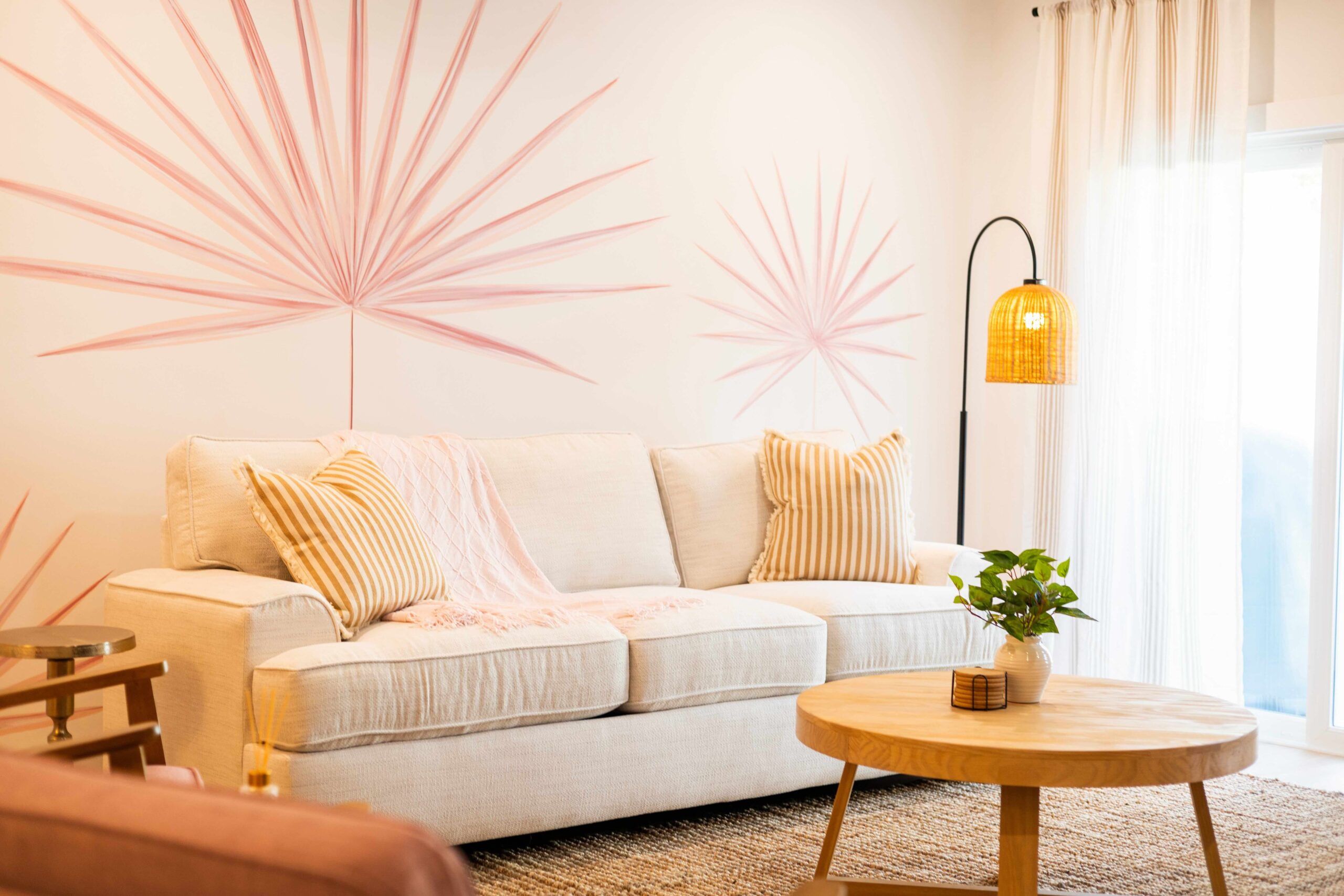
Renovating a short-term rental is a little different from renovating a primary residence. While personal homes are often designed around individual preferences, investment properties need to balance style, durability, guest experience, and long-term profitability.
It’s easy to get caught up in beautiful finishes and expensive upgrades, but not every renovation will translate into higher nightly rates or more bookings.
The goal isn’t necessarily to spend more. It’s to spend strategically.
Whether you’re preparing a new investment property for its first guests or refreshing an existing vacation rental, here’s where it may make sense to splurge, where you can save, and how to approach renovations with your return on investment in mind.
A beautiful property might catch someone’s attention, but a comfortable stay is what helps create a positive guest experience.
Mattresses, pillows, and bedding are some of the most frequently used items in a vacation rental. Cutting corners here can lead to complaints, poor sleep, and disappointing reviews.
Invest in supportive mattresses, durable bed frames, quality linens, and comfortable pillows that can withstand frequent use and laundering.
Where to save: You don’t need expensive designer bed frames or luxury bedding brands to create a comfortable sleeping environment. Simple, well-made furniture and hotel-quality linens can deliver a polished look without an excessive price tag.
In vacation rental markets like Northeast Florida, outdoor amenities can be a major part of a property’s appeal.
A thoughtfully designed patio, comfortable seating area, or inviting pool deck can make a property stand out in listing photos and give guests more reasons to choose it over similar homes.
Depending on the property and target audience, worthwhile investments might include outdoor dining furniture, shaded seating, landscape lighting, a fire pit, or a hot tub.
However, bigger isn’t always better. A costly outdoor addition should be evaluated against expected demand, ongoing maintenance, insurance considerations, and potential revenue.
Where to save: Focus on improving the outdoor space you already have before committing to major construction. Fresh landscaping, updated furniture, lighting, and a cohesive layout can transform a backyard without a complete overhaul.
Design trends come and go, but the wear and tear of short-term rental guests is constant.
That makes durability one of the most important considerations when choosing flooring, countertops, cabinetry, and furniture.
Instead of selecting materials based solely on appearance, consider how easily they can be cleaned, repaired, or replaced.
Luxury vinyl plank flooring, washable upholstery, and durable countertop materials can be practical options depending on the property’s needs.
Where to splurge: High-traffic areas deserve materials that can handle frequent use. Spending more on durable flooring or quality furniture may reduce repair and replacement costs over time.
Where to save: Skip highly customized finishes that are expensive to repair or replace. A timeless, cohesive design often has more staying power than an overly trendy renovation.
A beautiful kitchen is great for photos, but functionality is what guests appreciate during their stay.
You don’t necessarily need a complete kitchen renovation to make a meaningful improvement.
Focus on adequate counter space, reliable appliances, good lighting, and enough cookware and dishes for the property’s advertised occupancy.
For larger vacation rentals, consider whether the kitchen can realistically accommodate groups preparing meals together.
Where to save: If the existing cabinets are in good condition, painting them, replacing hardware, updating light fixtures, and installing a new backsplash may create a refreshed appearance at a fraction of the cost of replacing everything.
A memorable vacation rental doesn’t have to be filled with expensive artwork or custom furniture.
In fact, some of the most effective designs use a mix of affordable decor, statement pieces, and thoughtful styling to create a recognizable look.
The key is consistency.
Choose a clear design direction that complements the property’s location, architecture, and target guest.
A coastal home, historic cottage, and modern downtown rental shouldn’t necessarily look the same.
Where to splurge: Consider investing in a few standout elements, such as an eye-catching light fixture, distinctive headboard, or thoughtfully designed accent wall.
Where to save: Decorative accessories, artwork, mirrors, and smaller furnishings can often be sourced affordably without sacrificing the overall aesthetic.
While cosmetic updates offer opportunities to save, structural and safety-related work is a different story.
Electrical systems, plumbing, roofing, waterproofing, HVAC equipment, and code-required safety improvements should be handled appropriately by qualified professionals.
Poor workmanship can lead to expensive repairs, property damage, guest disruptions, and potential liability.
Before beginning a major renovation, investors should also review local permitting requirements, building codes, and any applicable homeowners association restrictions.
A renovation that looks great but creates long-term maintenance problems is rarely a smart investment.
Even a beautifully renovated property can struggle to attract attention if the listing photos don’t do it justice.
Professional photography is one of the final steps that should be included in a renovation or property launch budget.
High-quality images help showcase the layout, design details, amenities, and overall guest experience.
For properties with standout outdoor spaces, pools, or unique architectural features, thoughtful photography can be especially valuable.
Where to save: You don’t need elaborate staging for every room. A clean, cohesive design, proper lighting, and carefully arranged furniture can make a significant difference.
Before starting a renovation, evaluate the property as an investment rather than focusing exclusively on appearance.
Ask yourself:
Not every upgrade needs to directly increase nightly rates. Some improvements are valuable because they reduce maintenance costs, prevent negative reviews, or make the property easier to operate.
The strongest renovation plans consider all of these factors.
A successful short-term rental renovation isn’t about choosing the most expensive finishes or following every new design trend.
It’s about creating a property that guests want to book, enjoy staying in, and feel good about recommending.
Prioritize comfort, durability, functionality, and the features that matter most in your market. Save on cosmetic details that don’t meaningfully improve the guest experience, and avoid cutting corners on essential construction and safety.
At Deal Room, we believe smart investment decisions extend beyond the purchase price. How you design, renovate, and maintain a property can play an important role in its long-term performance.
Smarter STR Investing Starts Here.
Deal Room is your trusted source for smart, actionable insights in rental property investment and management. From financing and tax strategies to design and operations, we help landlords and investors make confident, informed decisions.

The best Design & Construction content from across the internet in your inbox every week.